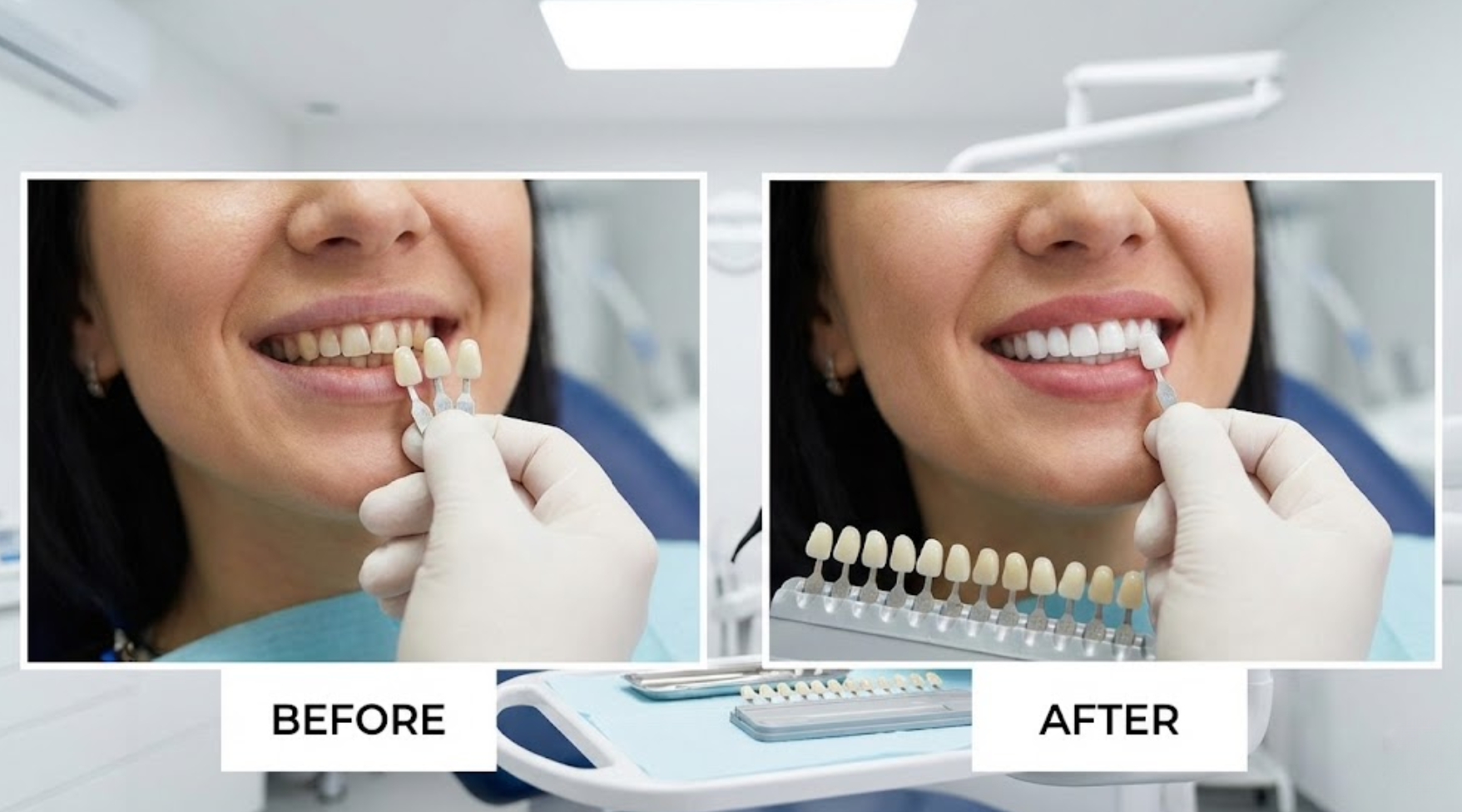
Teeth whitening is one of the most popular cosmetic dental procedures, but misinformation abounds. Let's separate fact from fiction to help you make informed decisions about whitening your smile.
Myth #1: Whitening Damages Enamel
Fact: Professional whitening products, when used correctly, do not damage tooth enamel. The peroxide compounds used in professional treatments temporarily open enamel pores to remove stains but don't erode or weaken the enamel structure. Sensitivity experienced during treatment is temporary and reversible.
However, overusing whitening products or using non-dental products not designed for teeth can cause harm. Always follow your dentist's recommendations.

Myth #2: All Whitening Methods Work the Same
Fact: There's a significant difference between whitening methods:
- Professional in-office whitening: Uses high-concentration peroxide for dramatic results in one visit
- Custom take-home trays: Dentist-provided trays with professional-strength gel; effective but takes longer
- Over-the-counter strips: Lower concentration; some results but less dramatic
- Whitening toothpaste: Removes surface stains only; doesn't change underlying tooth colour
- Charcoal and other trends: May actually damage enamel with minimal whitening effect
Myth #3: Results Last Forever
Fact: Whitening results typically last 6 months to 2 years, depending on lifestyle habits. Coffee, tea, red wine, and smoking can stain teeth again. Periodic touch-up treatments help maintain results. Good oral hygiene extends whitening longevity.
Myth #4: Natural Remedies Are Just as Effective
Fact: Popular "natural" whitening methods often don't work or can be harmful:
- Baking soda: Mildly abrasive; may remove some surface stains but can damage enamel with overuse
- Lemon juice: Highly acidic; erodes enamel and increases sensitivity
- Activated charcoal: Too abrasive; can scratch enamel and actually make teeth darker over time
- Oil pulling: No scientific evidence it whitens teeth
- Apple cider vinegar: Acidic; damages enamel rather than whitening
Myth #5: Whitening Works on All Teeth
Fact: Whitening is most effective on natural teeth with yellow or brown stains. It doesn't work on:
- Dental restorations (crowns, veneers, fillings, bonding)
- Greyish stains from tetracycline antibiotics
- Teeth darkened from trauma or root canal treatment
- Severely fluorosed teeth
A consultation with your dentist can determine if whitening will work for your specific discolouration.
Myth #6: Stronger Concentration Means Better Results
Fact: Higher concentration whitening agents work faster but also cause more sensitivity. Lower concentrations used over a longer period can achieve the same results with less discomfort. Your dentist will recommend the appropriate strength for your teeth.
Myth #7: Anyone Can Use Whitening Products
Fact: Whitening isn't suitable for everyone:
- Not recommended for children under 16
- Should be avoided during pregnancy and breastfeeding
- Not suitable for people with very sensitive teeth or gum disease (until treated)
- Cavities should be treated before whitening
Tips for Maintaining Your White Smile
- Brush twice daily and floss regularly
- Rinse your mouth after consuming staining foods or drinks
- Use a straw for coffee, tea, and dark-coloured beverages
- Avoid tobacco products
- Schedule regular professional cleanings
- Consider touch-up treatments every 6-12 months
Professional Whitening at Mullaloo Beach Dental
At Mullaloo Beach Dental, we offer both in-office and take-home whitening options tailored to your goals and sensitivity levels. Our professional-strength treatments are safe, effective, and deliver predictable results under dental supervision.
Ready for a brighter smile? Contact us to discuss your whitening options.