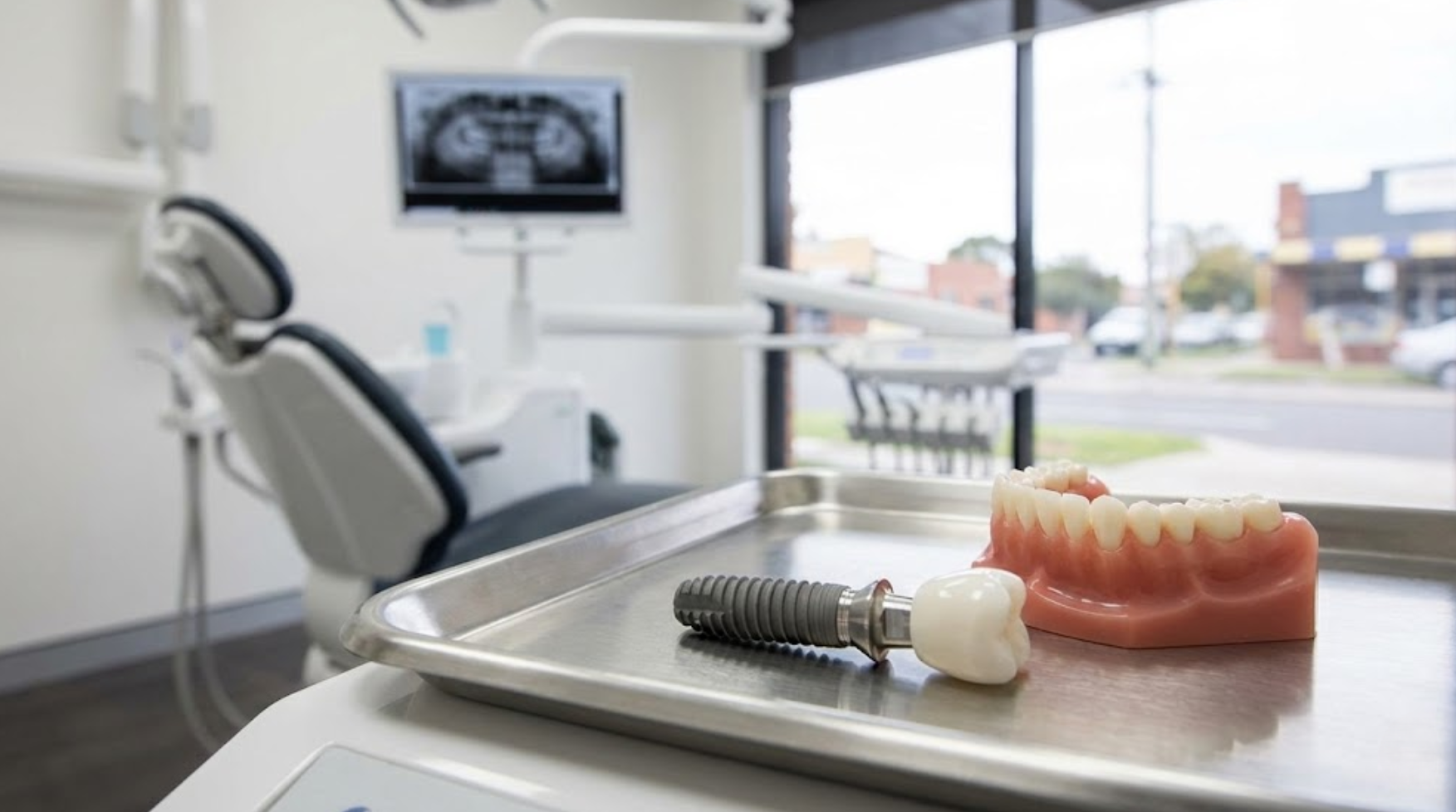
Root canal therapy has an undeserved reputation as a painful, frightening procedure. In reality, it's a routine treatment that relieves pain and saves teeth. Let's separate the myths from the facts about this important dental procedure.
What Is a Root Canal?
A root canal is a procedure to treat infection or damage in the pulp (soft centre) of a tooth. The pulp contains nerves, blood vessels, and connective tissue. When it becomes infected or inflamed, a root canal removes the damaged tissue, cleans the inside of the tooth, and seals it to prevent further infection.
Root canal treatment saves teeth that would otherwise need extraction. It's one of the most common endodontic procedures, with millions performed annually.

Common Root Canal Myths—Debunked
Myth #1: Root Canals Are Extremely Painful
Fact: This is the biggest misconception. Modern root canals are virtually painless, thanks to advanced anaesthetics and techniques. Most patients report the procedure feels similar to getting a filling. The pain people associate with root canals actually comes from the infection before treatment—the root canal relieves this pain.
Myth #2: It's Better to Just Extract the Tooth
Fact: Saving your natural tooth is almost always the better option. Natural teeth are more efficient for chewing, maintain bone structure, and prevent neighbouring teeth from shifting. While extraction seems simpler, you'll then need a bridge, implant, or denture—adding cost and complexity.
Myth #3: Root Canals Cause Illness
Fact: This myth originated from debunked research from the 1920s. There is no valid scientific evidence linking root canal treatment to disease elsewhere in the body. Root canals actually eliminate infection, improving your overall health.
Myth #4: If There's No Pain, I Don't Need a Root Canal
Fact: Sometimes the pulp dies without causing pain, or the infection may be chronic. Your dentist may detect the need for a root canal through X-rays, tooth discolouration, or a draining sinus tract, even without symptoms.
Myth #5: Root Canals Require Multiple Lengthy Visits
Fact: Many root canals are completed in a single 60-90 minute appointment. More complex cases may require two visits. Advances in technology have made the procedure faster and more efficient than ever.
When Is a Root Canal Needed?
A root canal may be necessary when:
- Deep decay has reached the pulp
- A tooth has been injured or cracked, exposing the pulp
- Multiple procedures on the same tooth have irritated the pulp
- An abscess (infection) has formed at the root
Symptoms that may indicate you need a root canal:
- Severe toothache, especially when chewing
- Prolonged sensitivity to hot or cold
- Darkening of the tooth
- Swelling or tenderness in nearby gums
- A persistent pimple on the gum
The Root Canal Procedure
Step 1: Diagnosis and Anaesthesia
X-rays confirm the infection. Local anaesthetic numbs the tooth—you'll feel no pain during the procedure.
Step 2: Accessing the Pulp
A small opening is made in the crown of the tooth to access the pulp chamber and root canals.
Step 3: Cleaning and Shaping
Tiny instruments remove the infected pulp tissue. The canals are cleaned, shaped, and disinfected.
Step 4: Filling the Canals
The cleaned canals are filled with a biocompatible material called gutta-percha and sealed.
Step 5: Restoration
A filling or crown restores the tooth's function and appearance. Crowns are often recommended for molars to provide strength.
After Your Root Canal
You may experience mild discomfort for a few days, manageable with over-the-counter pain relief. Most people return to normal activities the next day. Avoid chewing on the treated tooth until it's fully restored with a crown.
Root Canal Treatment at Mullaloo Beach Dental
At Mullaloo Beach Dental, we use the latest techniques and technology to ensure your root canal is as comfortable and efficient as possible. Don't let myths keep you from saving your tooth—contact us if you're experiencing symptoms.