Choosing the right toothbrush and toothpaste is fundamental to maintaining excellent oral hygiene. With countless options available, understanding what works best for your specific needs can help you achieve optimal dental health.
Manual vs. Electric Toothbrushes
Both manual and electric toothbrushes can effectively clean teeth when used properly. Electric toothbrushes often make it easier to achieve thorough cleaning, especially for people with limited dexterity, arthritis, or orthodontic appliances. The oscillating or sonic movements can remove more plaque than manual brushing in less time.
Studies show electric toothbrushes may reduce plaque by up to 21% more and gingivitis by 11% more than manual brushing. However, a manual brush used correctly is perfectly adequate for most people.
Bristle Softness Matters
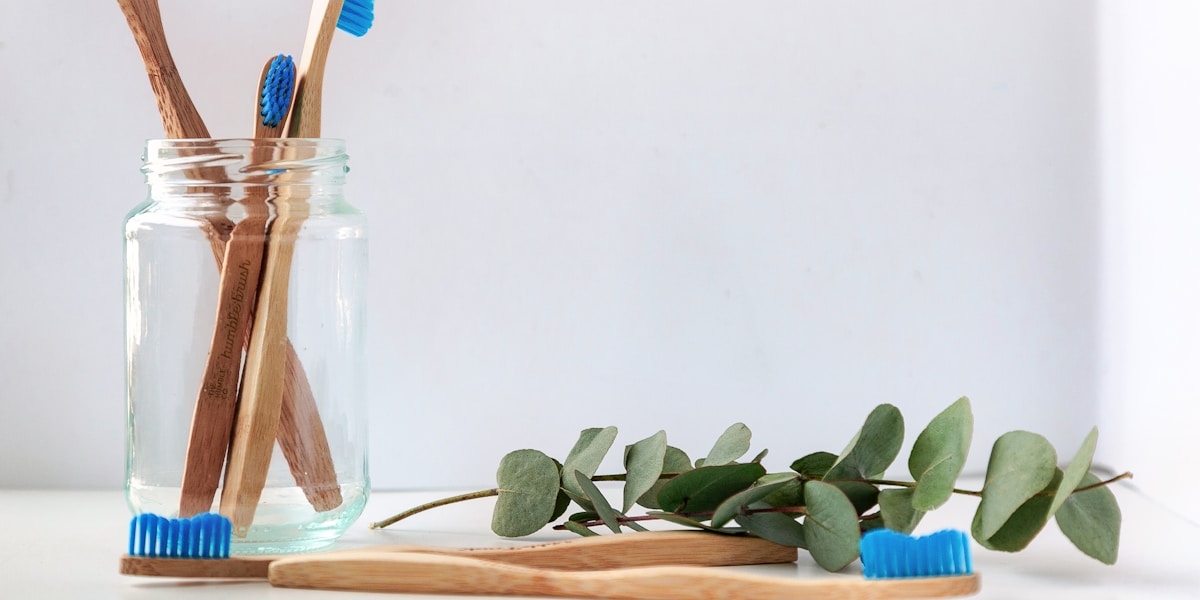
Most dentists recommend soft-bristled toothbrushes for daily use. Medium and hard bristles can damage tooth enamel and irritate gums, especially with aggressive brushing. Soft bristles are gentle yet effective at removing plaque and debris without causing harm.
If you prefer a firmer feel, try a medium-soft brush, but always use gentle pressure. If your bristles splay outward within a few weeks, you're brushing too hard.
Choosing the Right Brush Head Size
The ideal brush head should comfortably reach all areas of your mouth:
- Small heads: Better for reaching back molars and tight spaces
- Medium heads: Suitable for most adults
- Children's sizes: Essential for young mouths
Toothpaste Selection Guide
Different toothpastes address different needs:
- Fluoride toothpaste: Essential for strengthening enamel and preventing cavities—should be the foundation of any toothpaste choice
- Whitening toothpaste: Contains mild abrasives to remove surface stains; doesn't change the actual colour of teeth
- Sensitive teeth formula: Contains ingredients like potassium nitrate that block pain signals from exposed dentin
- Tartar control: Helps prevent calculus buildup between professional cleanings
- Gum health formulas: Often contain stannous fluoride, which has antibacterial properties
- Natural/organic options: Free from artificial ingredients but should still contain fluoride for cavity protection
How Much Toothpaste to Use
- Adults and children over 3: A pea-sized amount
- Children under 3: A smear or grain-of-rice sized amount
- More isn't better: Excess toothpaste creates too much foam and encourages spitting too soon
Replacement Schedule
Replace your toothbrush or electric brush head every 3-4 months, or sooner if bristles become frayed. Worn bristles are less effective at cleaning and can harbor bacteria. After illness, replace your toothbrush to avoid reinfection.
Special Considerations
- Children: Need age-appropriate toothbrushes with smaller heads and softer bristles, often with fun designs to encourage brushing
- Braces wearers: May benefit from orthodontic toothbrushes with V-shaped bristles or interdental brushes
- Sensitive gums: Extra-soft bristles reduce irritation
- Arthritis or limited mobility: Electric toothbrushes or brushes with large, easy-grip handles help
Proper Brushing Technique
Even the best toothbrush won't help without proper technique:
- Hold the brush at a 45-degree angle to your gums
- Use gentle, circular or short back-and-forth strokes
- Brush all surfaces: outer, inner, and chewing surfaces
- Don't forget your tongue
- Brush for at least two minutes, twice daily
Get Personalised Advice at Mullaloo Beach Dental
At Mullaloo Beach Dental, we can recommend the best toothbrush and toothpaste for your specific oral health needs. Whether you're dealing with sensitivity, gum issues, or just want to optimise your routine, we're here to help.
Contact us to schedule your next check-up.